Everyday Plumbing Issues That Disrupt Your Home Plumbing problems don’t always start as emergencies, but they can quickly interrupt your daily routine. Homeowners in Bloomington and Mendota Heights often deal with leaks, fixture failures, and inconsistent water pressure. These issues can show up suddenly or develop gradually over time. Even small disruptions—like a slow drip or weak flow—can make everyday tasks more frustrating. Left alone, these problems tend to get worse and can start affecting other parts of your plumbing system. What begins as a minor inconvenience can turn into a larger repair if it’s not addressed early. What Causes These Plumbing Problems Locally In this area, seasonal weather plays a major role in how plumbing systems perform. Cold winters can stress pipes, while temperature swings cause expansion and contraction that weakens connections. Over time, this can lead to leaks or sudden failures. Water quality and aging infrastructure also contribute to common plumbing issues. Mineral buildup can affect fixtures and reduce efficiency, while older pipes may be more prone to corrosion. These local factors combine to create conditions where problems develop more frequently. How to Prevent Recurring Plumbing Issues Preventing plumbing problems often comes down to catching small issues early and maintaining your system over time. Regularly checking for leaks, monitoring water pressure, and paying attention to changes in performance can help you stay ahead of bigger repairs. Small adjustments now can prevent more disruptive issues later. Routine maintenance also helps extend the life of your plumbing system. Flushing water heaters, addressing buildup, and repairing worn components early all contribute to better long-term performance. Staying proactive reduces the chances of dealing with unexpected breakdowns. When It’s Time to Call a Professional Some plumbing problems are easy to spot but harder to fix without the right tools or experience. Repeated leaks, sudden drops in pressure, or visible damage are clear signs it’s time to bring in professional help. Waiting too long can allow the problem to spread and become more difficult to resolve. If something doesn’t seem right or keeps coming back, it’s usually a sign of a deeper issue. A proper evaluation helps identify the root cause and ensures the right solution is applied. Getting help at the right time keeps repairs more manageable and prevents unnecessary stress. If you’re dealing with plumbing problems in Bloomington or Mendota Heights, taking action early helps keep your home running smoothly and avoids more complicated repairs.
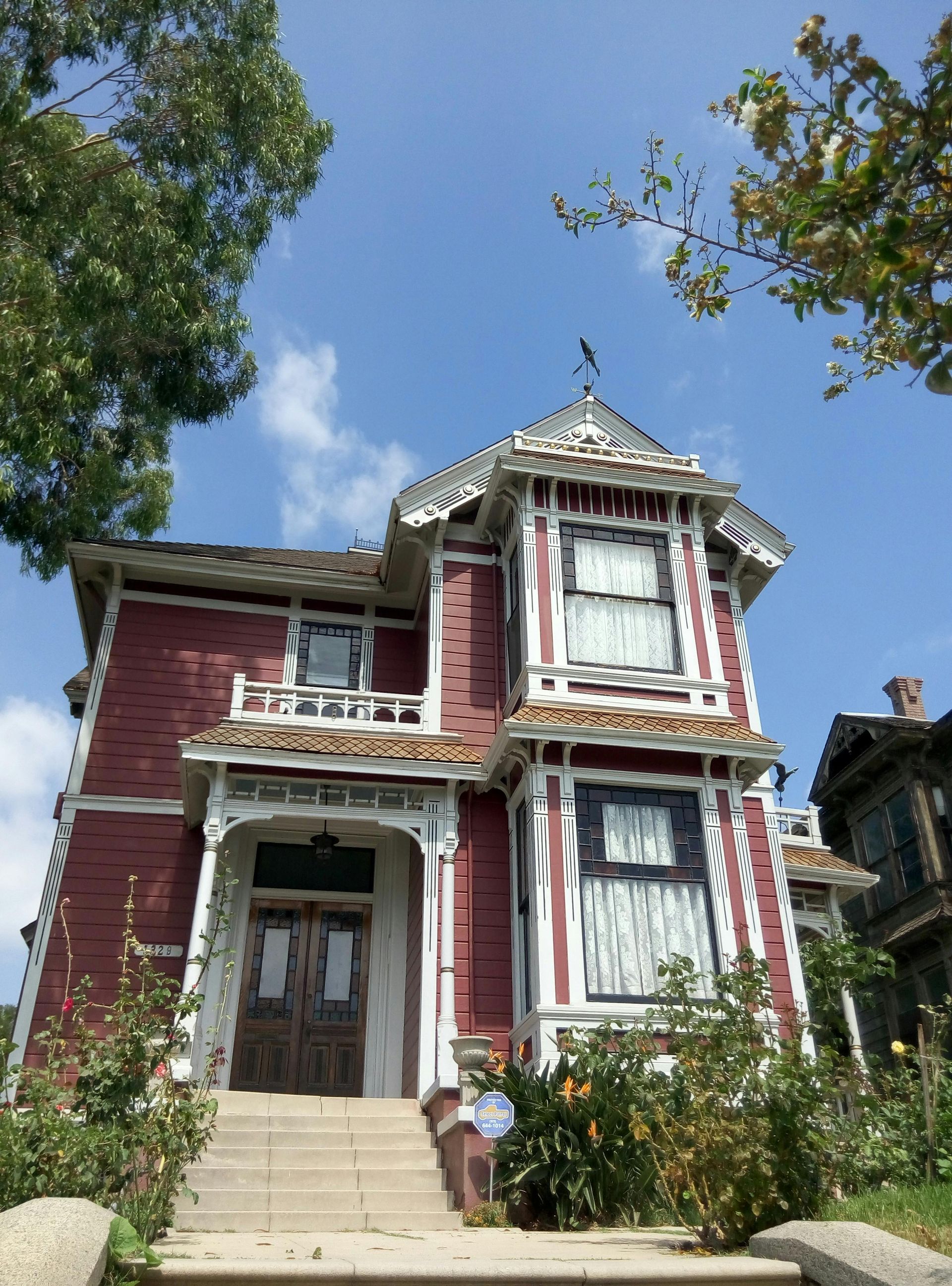
Why Older Homes in Richfield and Edina Have More Plumbing Problems Homes in Richfield and Edina often come with character, but that also means older plumbing systems that have seen decades of use. Many of these homes were built with materials that naturally wear down over time, such as galvanized steel or aging copper pipes. As these materials break down, they become more prone to leaks, corrosion, and reduced performance. In addition to aging materials, many homes have gone through multiple repairs or updates over the years. Not all of these fixes are consistent, which can create weak points throughout the system. Over time, these inconsistencies add up, leading to recurring plumbing issues that need closer attention. Signs Your Plumbing System Needs Attention Older plumbing systems tend to show warning signs before major issues happen. Frequent leaks, fluctuating water pressure, and slow drains are all indicators that something isn’t working as it should. Discolored water or unusual odors can also point to corrosion or buildup inside the pipes. You might also notice that plumbing issues seem to come back even after repairs. This is often a sign that the underlying system is starting to fail rather than a single isolated problem. Paying attention to these patterns can help you decide when it’s time to take a more comprehensive approach. The Most Common Repairs in Older Homes In homes throughout Richfield and Edina, certain repairs come up more often than others. Pipe section replacements are common when corrosion or cracks develop in specific areas. Fixture repairs are also frequent, especially when older components begin to wear out or stop functioning properly. Water line issues can also arise as systems age, affecting both pressure and reliability. These types of repairs help restore function, but they can become more frequent over time if the system as a whole is nearing the end of its lifespan. Understanding what’s typical helps set realistic expectations. When Repiping Becomes the Better Option At a certain point, repeated repairs may no longer be the most practical solution. If leaks keep occurring in different areas or water quality continues to decline, repiping can provide a more reliable long-term fix. While it’s a larger project, it often eliminates the cycle of ongoing repairs. Repiping also allows you to upgrade to modern materials that perform better and last longer. This can improve water pressure, consistency, and overall system reliability. For many homeowners, making this change provides peace of mind and reduces the likelihood of unexpected issues. If you’re dealing with plumbing problems in an older home in Richfield or Edina, understanding the condition of your system helps you make better decisions and avoid repeated disruptions.
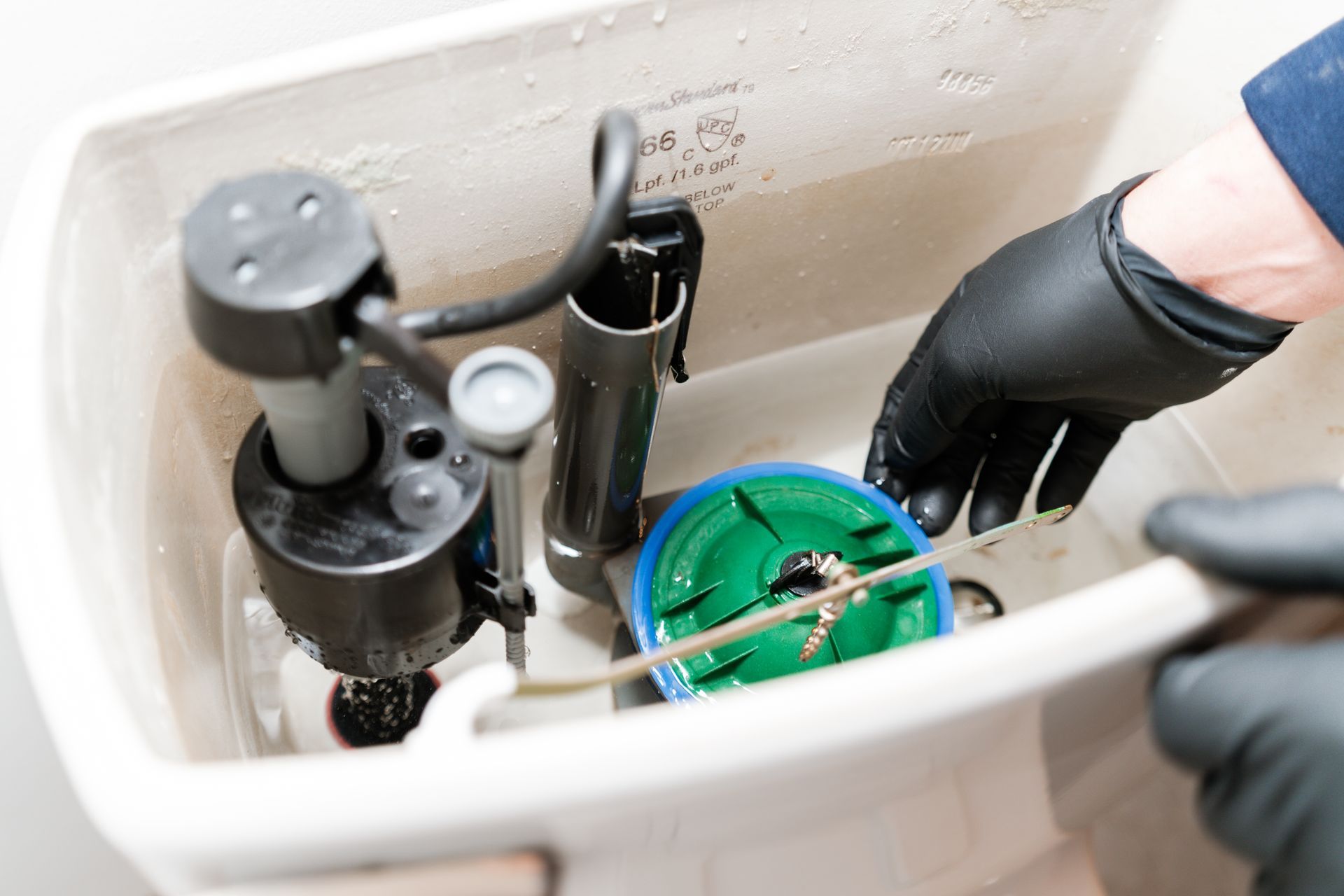
What Causes Sudden Pipe Failures in Burnsville and Savage Homes A pipe that suddenly starts spraying water is usually the result of a failure that’s been building over time. In Burnsville and Savage, winter conditions are one of the biggest factors, as freezing temperatures can cause water inside pipes to expand and weaken the material. When the ice thaws, the pressure release can lead to cracks or full pipe breaks. Other causes include aging pipe materials, corrosion, and sudden pressure spikes within the system. Even a small weak point can give way under pressure, leading to a sudden and noticeable burst. These failures often seem unexpected, but they’re usually tied to underlying wear that reaches a breaking point. Emergency Steps to Take Immediately When water is actively spraying, quick action is critical to limit damage. The first step is shutting off your home’s main water supply to stop the flow. This immediately reduces the amount of water entering the space and helps prevent further spread. If water is near electrical outlets, appliances, or your breaker panel, it’s important to avoid contact and proceed carefully. Moving belongings out of the affected area and using towels or containers to manage standing water can help reduce damage. Acting fast in these moments can make a major difference in how much cleanup is needed later. How Fast Water Damage Can Spread Water from a burst pipe doesn’t stay in one place for long. It can quickly soak into flooring, drywall, insulation, and nearby structures. Within minutes, water can begin spreading to adjacent rooms or lower levels of the home, especially in multi-story properties. The longer the water flows, the more extensive the damage becomes. Materials can warp, weaken, or become saturated beyond repair. Moisture that isn’t addressed quickly can also lead to long-term issues like mold growth, making the situation more complex and costly to resolve. What Happens During Emergency Plumbing Service When a plumber arrives for an emergency, the focus is first on stopping the source of the problem completely. This may involve isolating the damaged section of pipe and ensuring no additional leaks are present. Once the situation is stabilized, the repair process can begin. Depending on the severity of the break, repairs may involve replacing a section of pipe or reinforcing connections to restore system integrity. After the repair, the system is tested to confirm everything is working properly. You’ll also get guidance on any next steps, including drying out affected areas or monitoring for additional issues. If you’re dealing with water spraying from a pipe in Burnsville or Savage, acting quickly helps limit damage and get your home back under control as soon as possible.
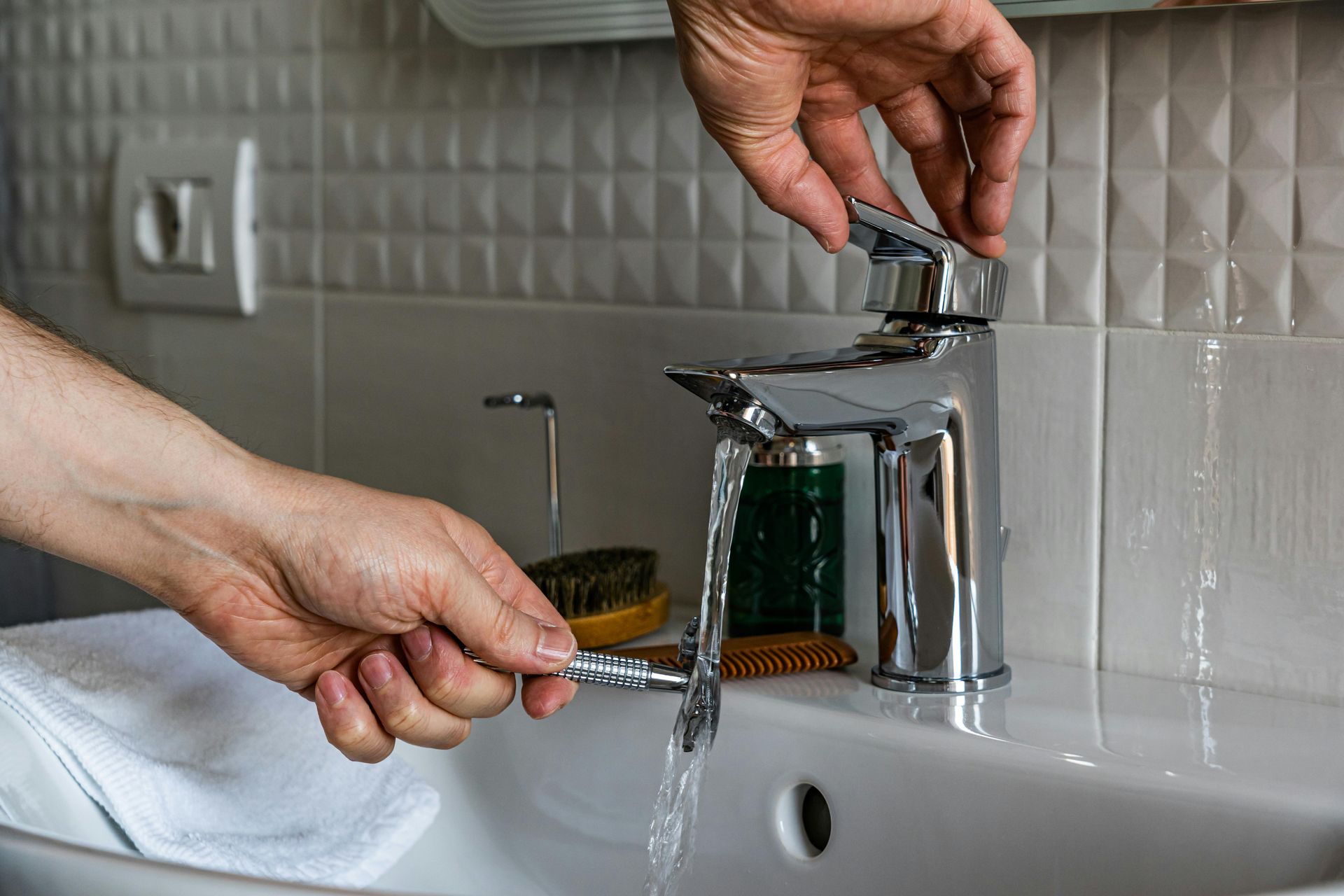
Common Fixture Problems Homeowners See in Apple Valley and Rosemount Fixture issues are one of the most frequent plumbing problems homeowners deal with, especially in kitchens and bathrooms that get daily use. Dripping faucets, loose handles, and inconsistent water flow are all signs that something isn’t working as it should. While these issues may seem minor at first, they often point to worn components inside the fixture. Over time, small problems like these can become more noticeable and disruptive. A faucet that drips occasionally can turn into a steady leak, and a loose handle can eventually stop working altogether. These issues tend to develop gradually, which makes them easy to overlook until they start affecting everyday use. Why Faucets and Fixtures Fail Over Time Fixtures naturally wear down with use, especially in homes with hard water common in parts of Apple Valley and Rosemount. Mineral buildup can collect inside components, affecting how water flows and how smoothly handles operate. Over time, this buildup can cause internal parts to degrade or stop functioning properly. In addition to water quality, age plays a major role in fixture performance. Older fixtures may have outdated parts that are more prone to failure, and repeated use adds stress to seals and connections. Even well-maintained fixtures eventually reach a point where repairs become more frequent. Repair vs Replacement: What Makes the Most Sense When a fixture starts having problems, one of the first decisions is whether to repair it or replace it. In many cases, replacing small internal parts can restore function and extend the life of the fixture. This is often a practical option when the fixture is relatively new or still in good overall condition. However, if the fixture is older or experiencing repeated issues, replacement may be the better long-term solution. Newer fixtures offer improved performance, better efficiency, and updated designs that can enhance both function and appearance. Weighing the cost of ongoing repairs against replacement helps determine the right path forward. How Fixture Issues Affect Water Use and Performance A dripping faucet may seem like a small inconvenience, but it can waste a significant amount of water over time. Even slow leaks add up, increasing your water bill and putting unnecessary strain on your plumbing system. Inconsistent flow or pressure can also make everyday tasks more difficult. Beyond water waste, fixture problems can affect the overall performance of your plumbing system. Reduced pressure, uneven flow, or difficulty controlling temperature are all signs that something isn’t working efficiently. Addressing these issues helps restore normal function and improves daily use. What to Expect During a Fixture Repair Visit A typical service visit starts with identifying the exact issue and inspecting the fixture for worn or damaged components. Once the problem is understood, the necessary repairs can be made, such as replacing cartridges, seals, or other internal parts. The goal is to restore proper function quickly and effectively. After the repair, the fixture is tested to ensure everything is working as it should. You’ll also get a clear explanation of what was fixed and whether any additional considerations are worth keeping in mind. This process helps ensure the issue is fully resolved and reduces the chance of repeat problems. If you’re dealing with a broken faucet or fixture in Apple Valley or Rosemount, taking care of it early helps prevent bigger issues and keeps your plumbing working the way it should.
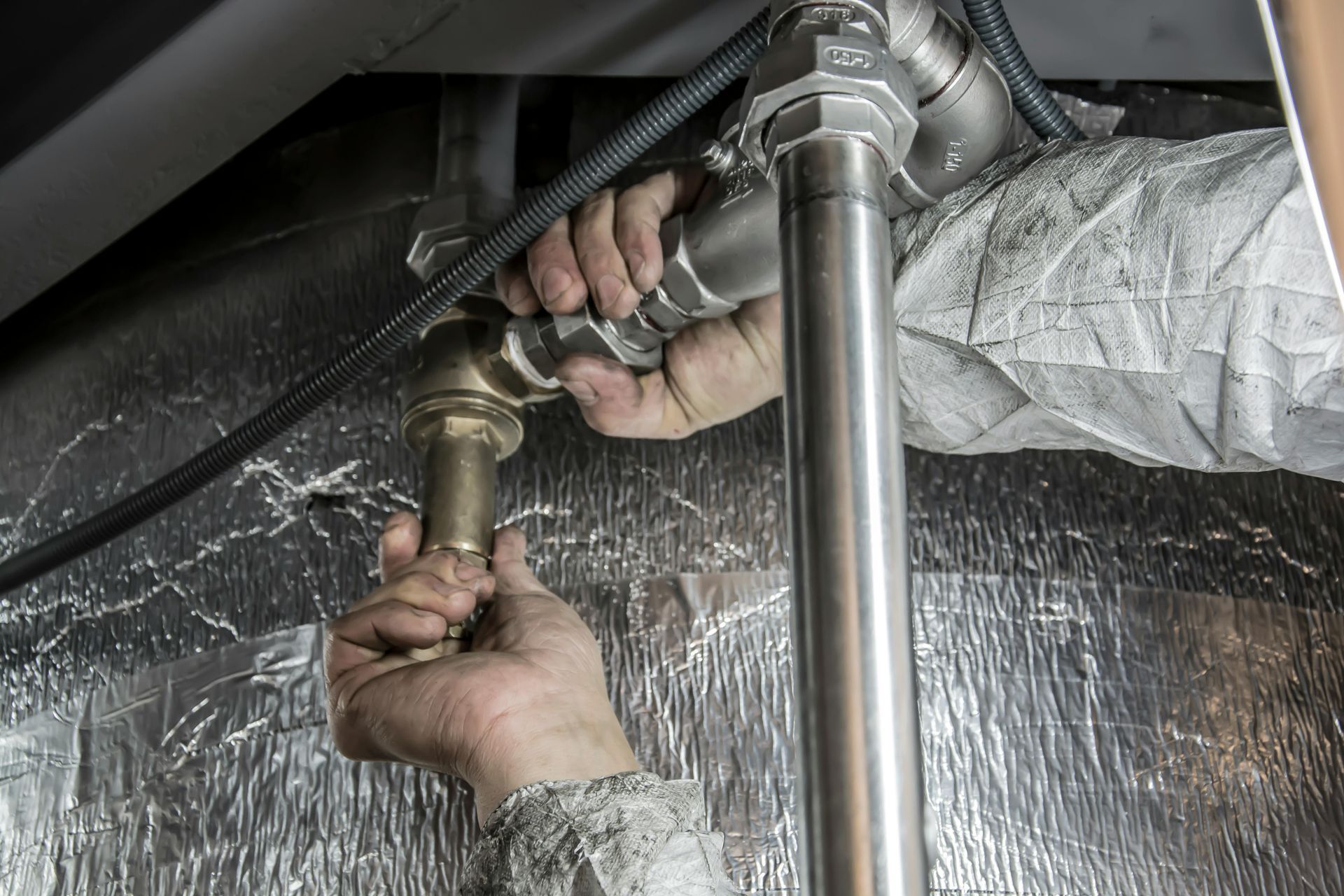
Why Leaks Happen in Eagan and Inver Grove Heights Homes Leaking pipes are common in this area due to seasonal temperature swings and aging plumbing systems. Minnesota winters cause pipes to expand and contract, which can weaken joints or create small cracks over time. In older homes, worn materials or past repairs can also contribute to leaks forming unexpectedly. Even small pressure changes in your system can expose these weak points. Over time, these small stresses add up, especially in homes that haven’t had recent plumbing updates. Materials like older copper or galvanized piping are more prone to corrosion and fatigue, which increases the risk of failure. In some cases, leaks develop slowly and go unnoticed until visible damage appears. That’s why understanding the root causes helps you stay ahead of potential problems. Early Signs You Might Have a Hidden Leak Not all leaks are immediately visible, and many start behind walls or under floors. You might notice water stains, musty odors, or a gradual drop in water pressure. Some homeowners first spot the issue through a higher-than-normal water bill. Catching these early signs can prevent more serious damage. In some situations, you may also hear faint dripping sounds or notice warped materials like baseboards or flooring. These subtle indicators often point to moisture building up in places you can’t see. Paying attention to these changes helps you act before the issue spreads further. Early detection is one of the most effective ways to keep repairs manageable. Immediate Steps to Limit Water Damage If you discover an active leak, shutting off the main water supply should be your first move. This stops the flow and prevents further damage. From there, use towels or buckets to contain any water and protect nearby surfaces. Acting quickly keeps the situation under control while you arrange for repair. If water is near electrical outlets or appliances, it’s also important to be cautious and avoid contact until it’s safe. Moving valuables and furniture away from the affected area can help reduce damage as well. The goal is to stabilize the situation as much as possible before professional help arrives. Quick action can significantly reduce the overall impact on your home. When a Small Leak Turns Into a Bigger Problem Even minor leaks can lead to significant issues if left untreated. Water can seep into drywall, flooring, and structural components, weakening materials over time. Moisture buildup also creates conditions where mold can develop. What starts as a small drip can become a much larger repair if ignored. As water spreads, it can also affect insulation, cabinetry, and other hidden parts of your home. This often leads to repairs that go beyond plumbing, including structural or cosmetic work. The longer moisture remains trapped, the more difficult it becomes to fully dry and restore the space. Addressing leaks early helps avoid these more complex and costly outcomes. How Professional Leak Repair Works A proper repair begins with locating the exact source of the leak, which isn’t always where water is visible. Once identified, the solution may involve replacing a section of pipe or reinforcing a failing connection. In some cases, especially in older systems, a broader repair may be recommended to prevent repeat issues. The goal is to fix the problem completely, not temporarily. Professionals also evaluate the surrounding system to check for additional weak points that could cause future leaks. This proactive approach helps ensure the repair lasts and reduces the chances of recurring problems. You’ll typically receive a clear explanation of what’s needed and why, along with next steps. This makes it easier to move forward with confidence and avoid surprises. If you’re dealing with a leaking pipe in Eagan or Inver Grove Heights, taking action early helps protect your home and keeps the repair straightforward.